Wow! I tried Phantom last week and had that mix of curiosity and doubt. It connected to Solana apps fast, but my instinct said double-check settings. Initially I thought my seed phrase would be the only tricky part, but then I noticed the way permissions are requested by some dApps and that changed my mental model. That surprised me more than I expected, honestly.
Whoa! Phantom’s interface is tidy and feels native to the browser. Wallets like this win or lose on small UX details that people rarely talk about. On one hand the extension properly isolates sites and asks for only needed permissions, though actually some permission prompts are dense and could be clearer to a newcomer who just wants to swap a token. My friend in Austin asked me to install it and he liked the speed.
Really? I spent time toggling approval settings and watching network confirmations. Actually, wait—let me rephrase that; it feels safer than many, though safety is relative. It feels safer than browser wallets I’ve used before, though safety is relative. Something felt off about a third party dApp asking for broad permissions, and my gut told me to revoke access and test again with a smaller amount before committing to a big transfer. I’m biased, but that habit saved me from a messy situation later.
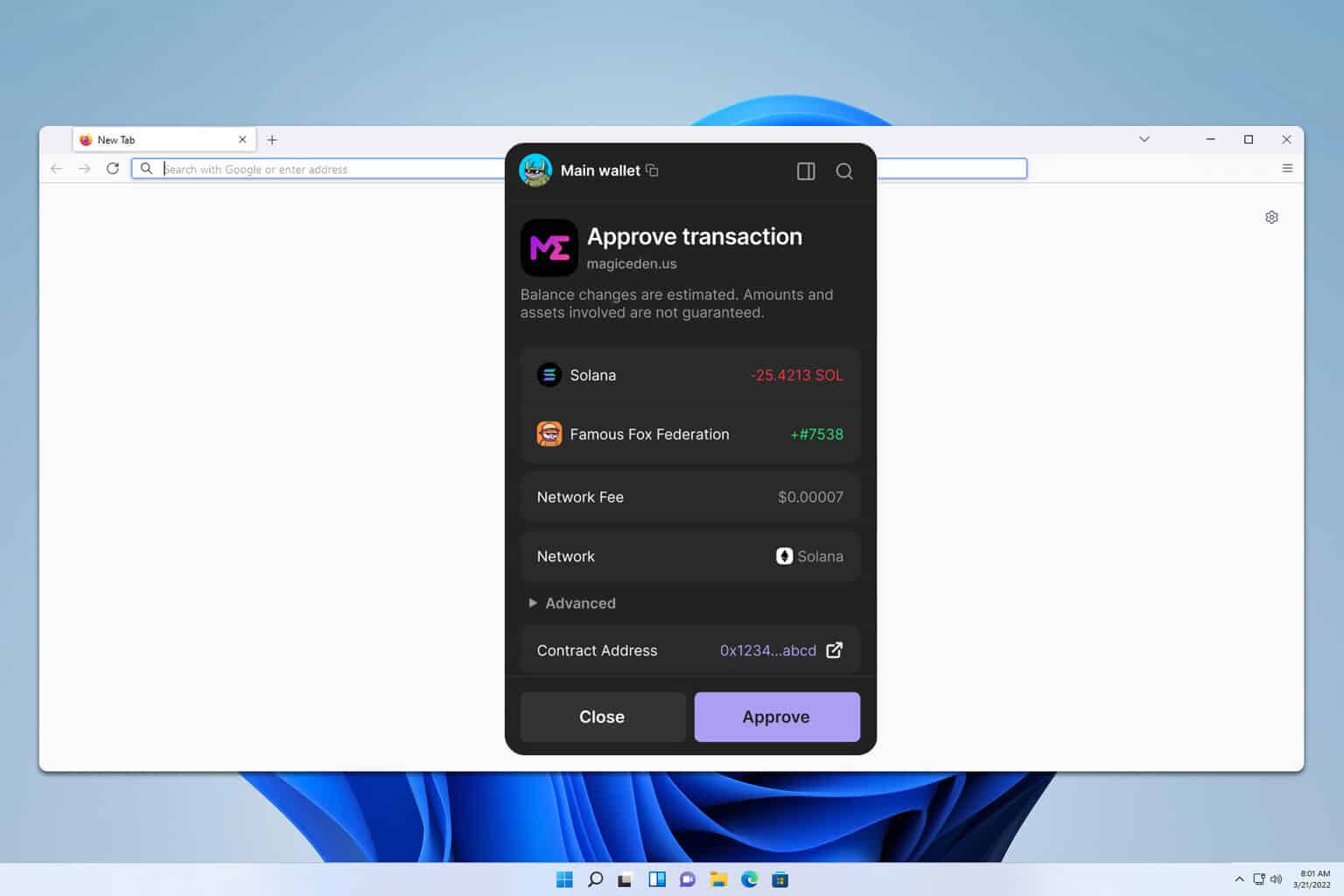
Hmm… Installing extensions has always made me a little nervous. Browser updates change contexts and extensions can break or request weird permissions out of the blue. Initially I thought a hardware wallet was the only way to be truly safe though then I realized that for everyday Solana use a well-built extension strikes a reasonable balance between convenience and security when paired with good habits and periodic audits of connected sites. Okay, so check this out—Phantom lets you set a password and also supports Ledger hardware keys.
Whoa! The onboarding is simple: create a wallet, write your seed, confirm it. I recommend storing the seed offline and taking a screenshot only as a last resort. On the privacy side, the extension doesn’t require KYC for basic operation… though if you bridge or use certain services they might ask for more info and that’s somethin’ to think about. Seriously, consider a burner account for risky dApps and small bets.
Wow! Performance on Chrome and Brave felt snappy during swaps. Transaction fees on Solana are low so experimenting costs very very little. But here’s the thing: when interacting with a new token contract you should watch token approval flows and if something requires unlimited allowance take the extra step to avoid exposure, because speed is nice but safety matters. My instinct said to test with 0.01 SOL first.
Really? For recovery, Phantom lets you export your seed phrase or enable encrypted cloud backup. I’ll be honest: I prefer keeping things off cloud where possible. On one hand cloud backups are convenient, but on the other hand a compromise at the cloud provider or a leaked password could expose your wallet, so weigh the trade-offs carefully… This tradeoff is subtle and not everyone will make the same choice.
Getting Started Safely
I also like the dev tooling: it surfaces transaction details clearly to power users. If you build on Solana, the extension’s API is straightforward and well-documented. Initially I thought this was just another wallet, but then after testing its permission model, hardware wallet pairing, and dev UX I realized it occupies a sweet spot for everyday web3 interactions on Solana while still demanding user vigilance. Here’s the thing: you can download the extension directly from the official site or through verified stores, and if you want a quick start try this link for the phantom wallet download extension.
FAQ
Is Phantom safe to use for everyday Solana activity?
Yes, with caveats. The extension is well-built and supports hardware wallets, but you still need to follow basic precautions: keep your seed offline, test with tiny amounts first, regularly review connected sites, and avoid granting unlimited token approvals unless you trust the contract. I’m not 100% sure about every edge case, and the space moves fast, but those steps reduce most common risks.